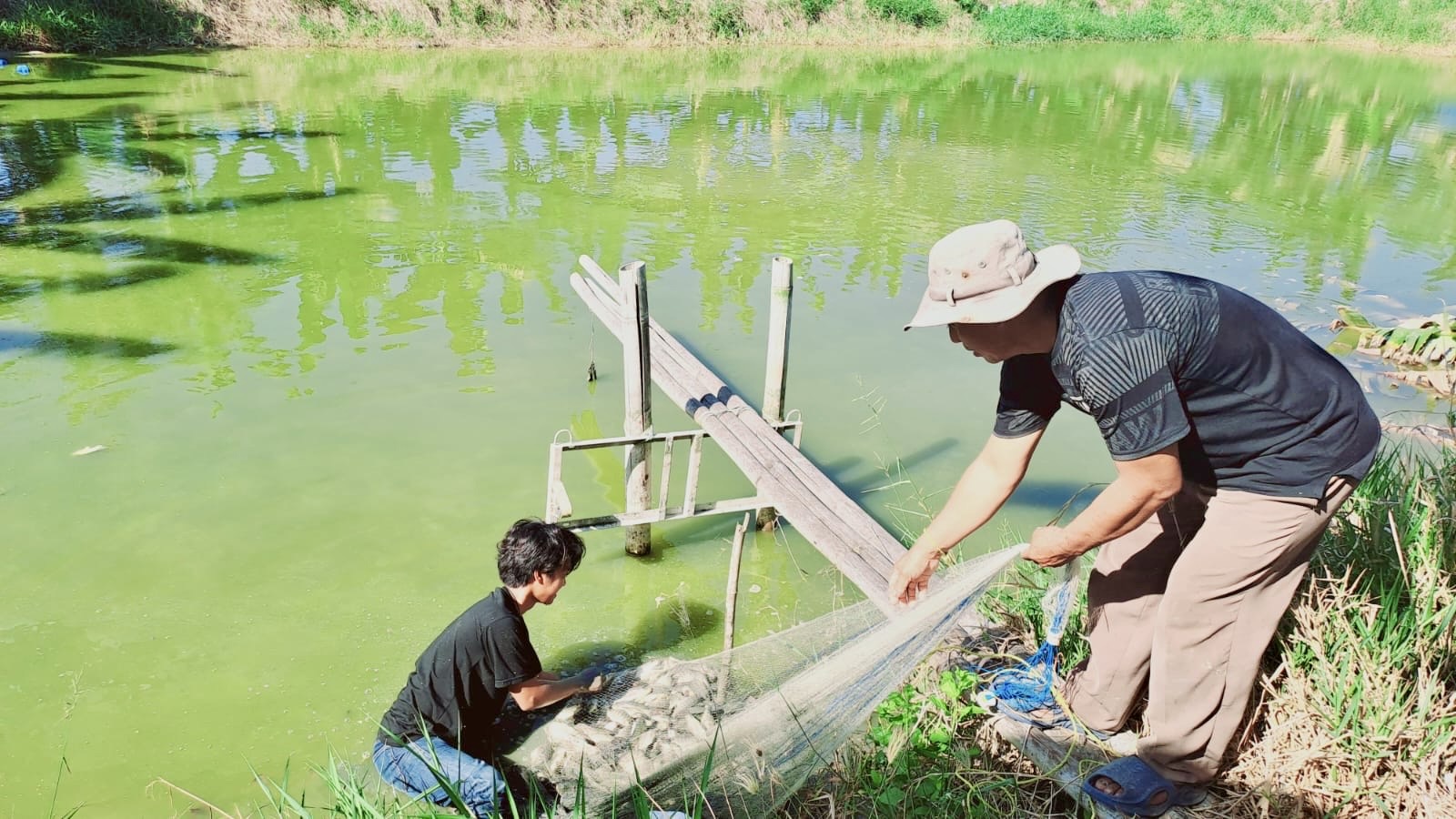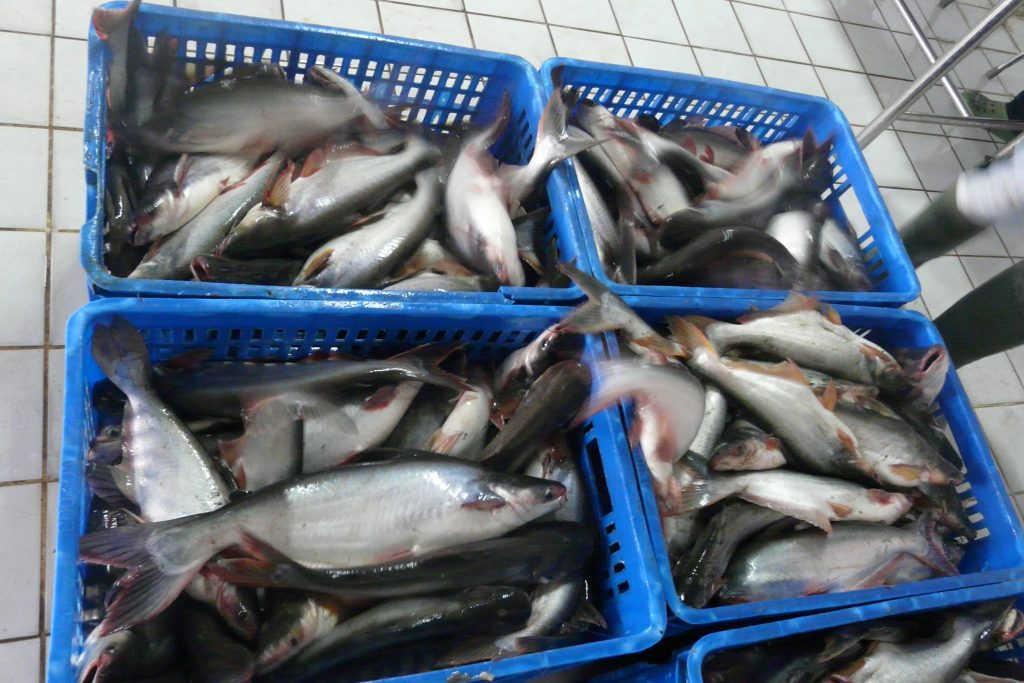
Patin culture (farming) has developed in the areas of Sumatra, South Kalimantan and Java (especially East Java). Patin is generally farmed by the community in floating net cages (KJA), deep ponds, concrete ponds, and even in tarpaulin ponds.
Patin farmers have implemented good fish farming methods (CBIB). For them, there are no fundamental problems regarding production and feed requirements. Some farmers use manufactured feed and some combine it with independent feed made from local raw materials, to reduce production costs.
Chairman of the Advisory Board of the Indonesian Catfish Entrepreneurs Association (APCI) and also the General Chairperson of Kerapu (Undip Aquaculture Alumni Family), Imza Hermawan revealed that the patin farming business in 2025 is still prospective. The patin culture business has a wide market coverage. In particular, for the domestic market with a population of 270 million, the potential is quite large. Meanwhile, the export market is still open for patin fillets.
Patin culture is not only developing in Java, especially East Java (Jatim). But, it has spread to Sumatra and Kalimantan, namely South Kalimantan (Kalsel). In fact, as much as 60 percent of national patin production is produced from Sumatra and Kalimantan.
The distribution of patin cultivation in Sumatra is generally found in South Sumatra, such as in East Oku, Musi Banyuasin, and Lampung (East Lampung). In Java, especially in East Java (Tulungagung), and in South Kalimantan, especially in Banjarbaru. While in Riau, it is widely developed in Kampar Regency. In North Sumatra, it is developing in Deli Serdang. APCI data states that there are around 400 patin farmers spread across the country.