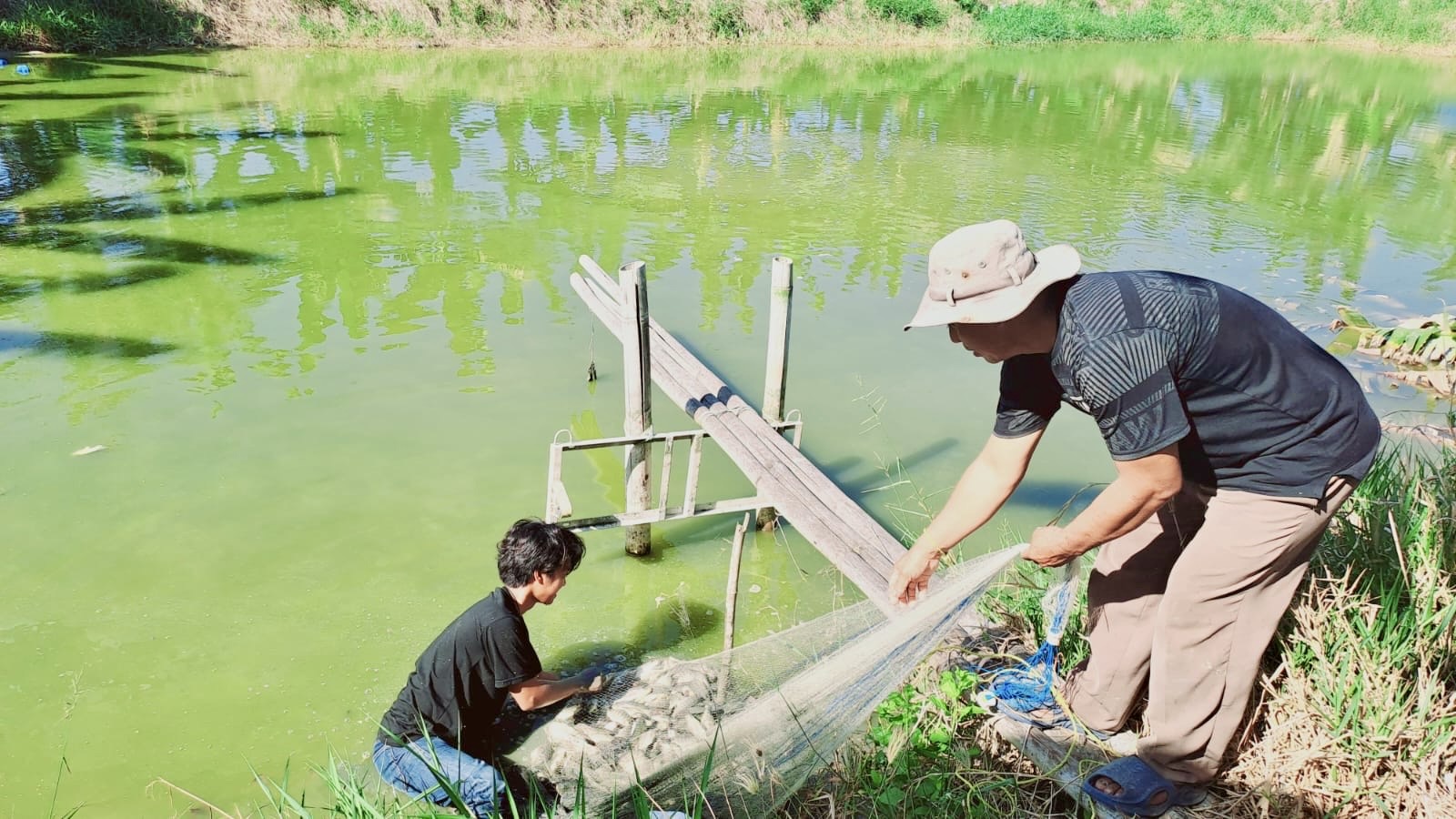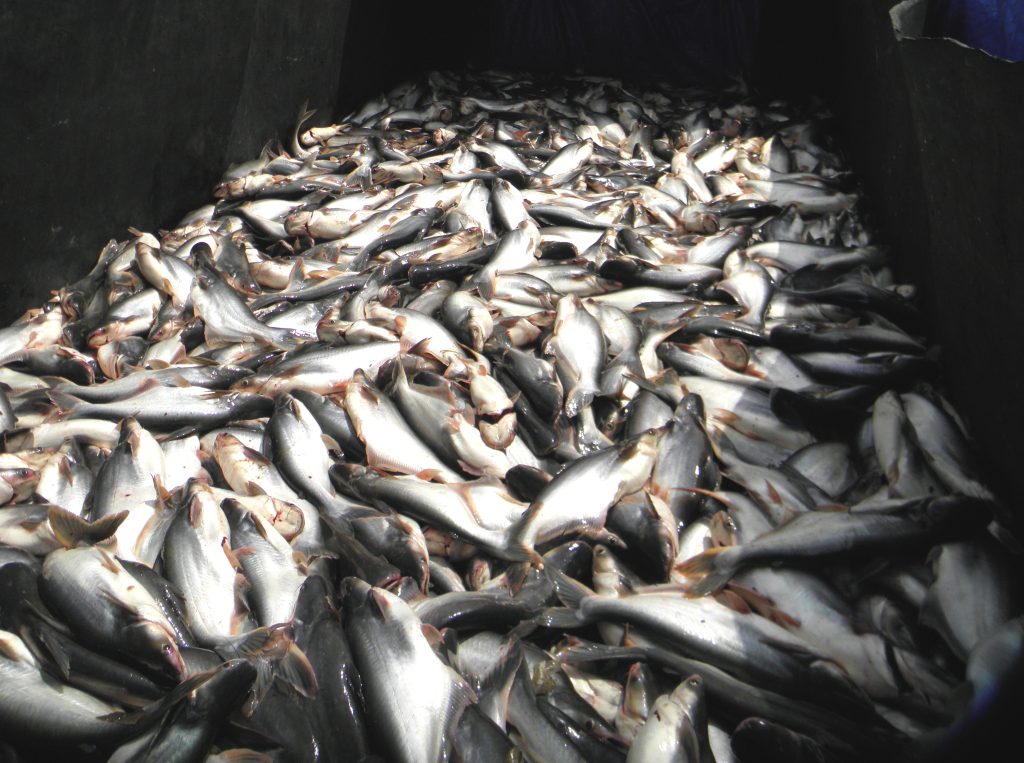
Although they farm three types of freshwater fish, farmers in the Cirata Reservoir, West Java, generally rely on farmed pangasius. This fish is resilient to environmental conditions and is highly sought after and profitable.
“Because of the unpredictable conditions of the Cirata Reservoir, sometimes with extreme weather, we are greatly helped by farming pangasius. It was farmed alongside tilapia and pomfret, practically eliminating the need for expensive manufactured feed. Pangasius is also resilient to these extreme environmental conditions,” explained Mang Ateng, one of the fish farmers in the Cirata Reservoir’s floating cages.
Ateng explained that patin is fed with restaurant leftovers or small fish. Without manufactured feed, patin thrives. Furthermore, patin is highly resistant to environmental changes, unlike tilapia and pomfret, which are easily stressed by drastic environmental changes.
Another advantage of patin is that the larger the farmed pangasius, the more popular it becomes. Generally, people buy 1 kg per fish. It takes 8 months to a year to reach a 1 kg size per fish.
According to him, farming pangasius is like a ‘piggy bank’ or a year-long savings account. This means that the yield of this fish is reaped over the long term (one year). This is different from tilapia and pompano. Tilapia (red), for example, can be harvested after four months. Pomfret can be harvested after two months. Pangasius is generally not harvested until one year old. These three types of freshwater fish can be farmed in a single marine cage (KJA) or separated as needed.