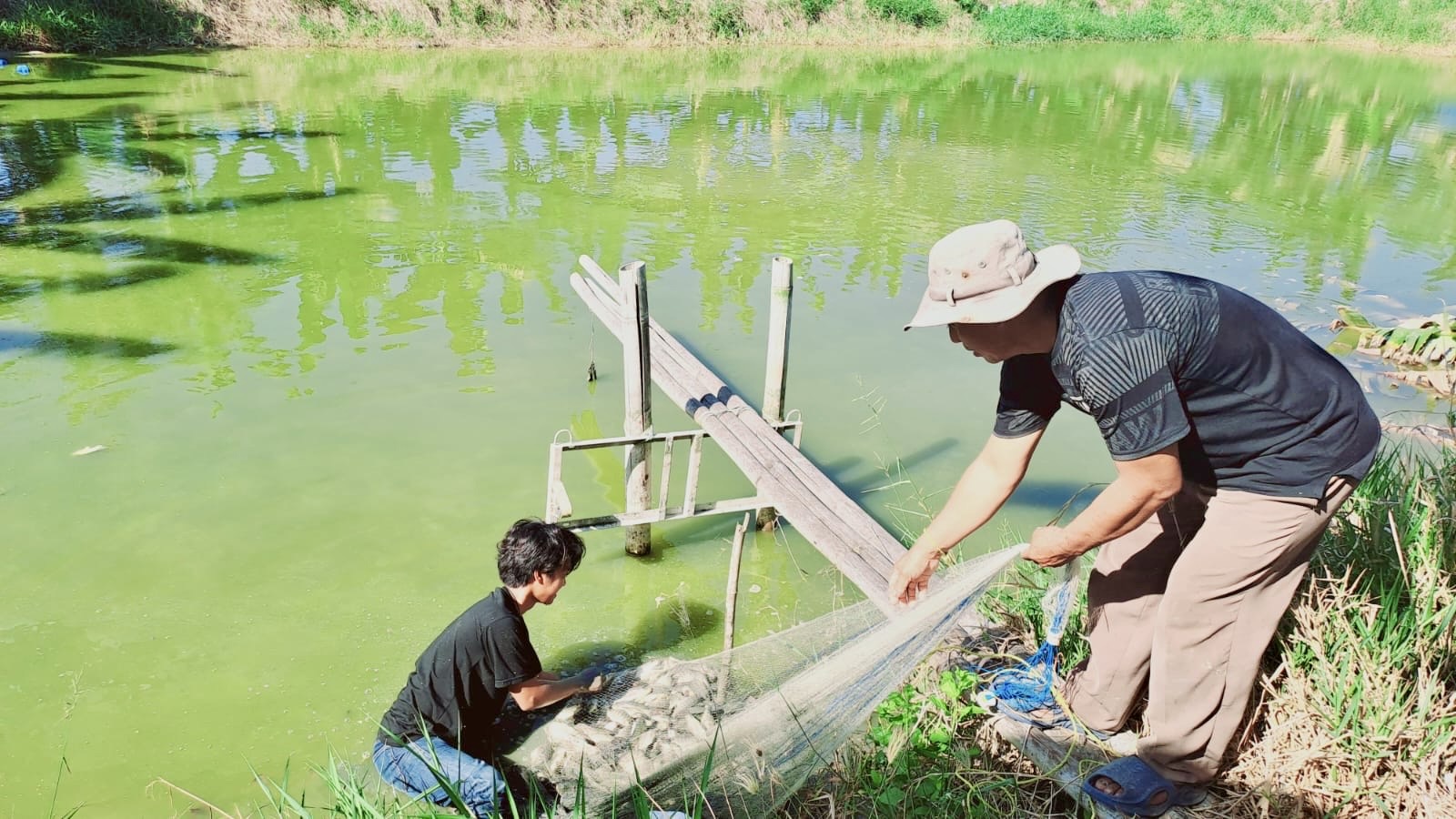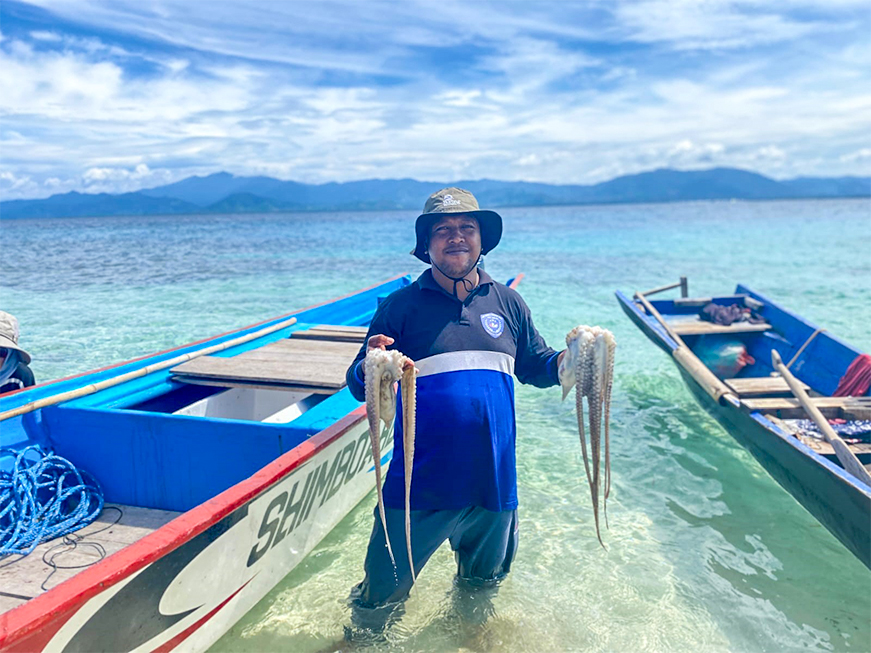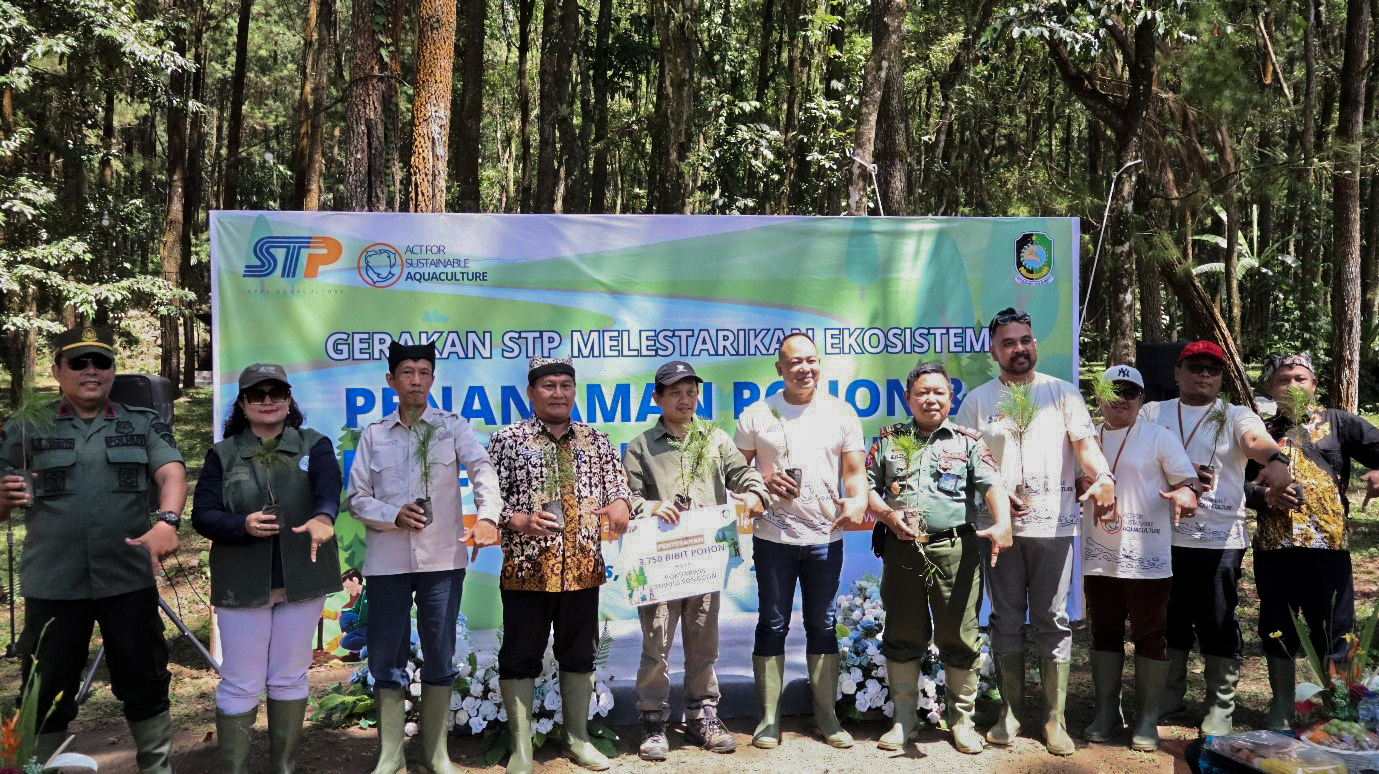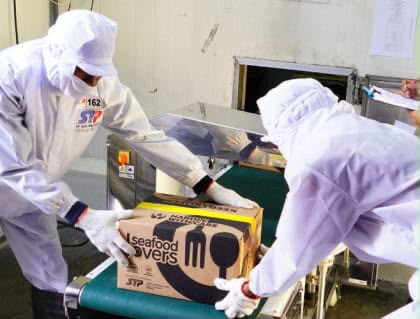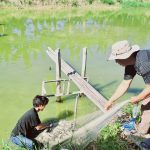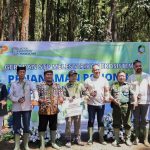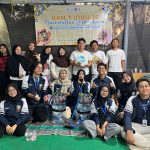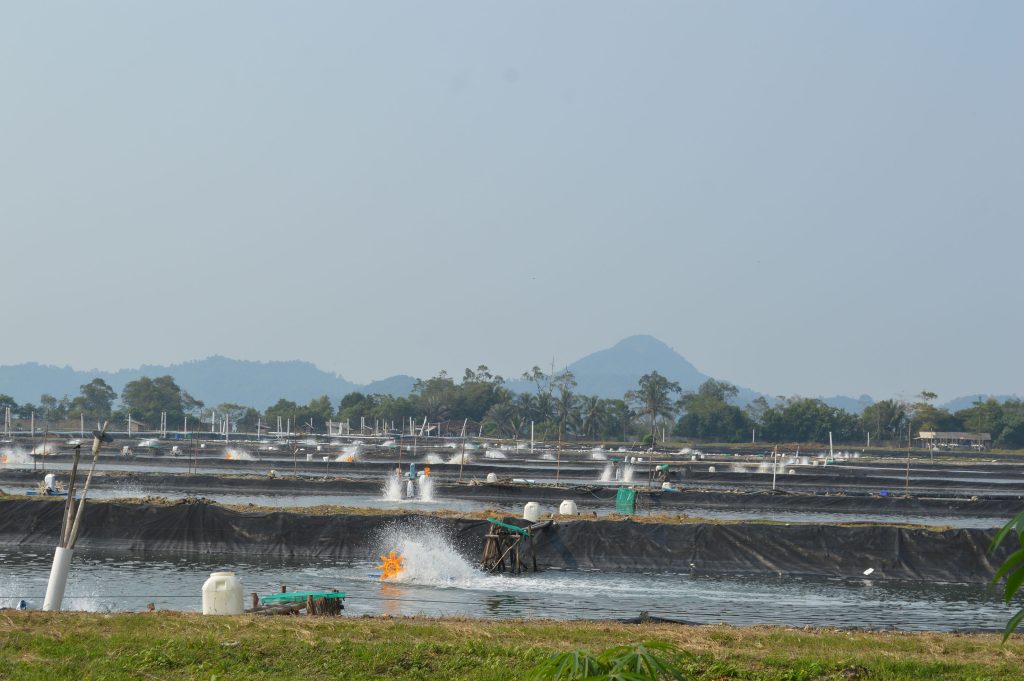
In a discussion held at the PPI pond in Kamping Baru Village, Marga Punduh District, Pesawaran Regency, Lampung, practitioners shared strategies for preventing shrimp disease. The discussion was opened by Waiso, Chairman of the Aquaculture Practitioners Communication Forum (FKPA), and attended by approximately 50 participants from various ponds in Pesawaran Regency, Tanggamus, and South Lampung. Kuncoro, Risnanda, and Jarwoko served as speakers.
Especially now that shrimp prices are falling, this shouldn’t be a cause for lamentation, but rather a source of encouragement and optimism that the downturn will eventually pass. “We’re doing our best to prevent disease so that when productivity is high, the aquaculture business will still be profitable,” he continued.
Regarding disease, Waiso acknowledged that it often occurs in the early stages, at 49 days and younger. Moreover, at this stage, farmers don’t yet know the shrimp population in their ponds. Typically, it’s not until the third sampling, at 49 days, that the shrimp population in the pond is determined, while disease often appears at younger ages.
“Therefore, what we must do is minimize the risk of disease. Diseases generally arise from dirt or debris in the pond, so what must be done is to clean up the waste and debris. Sources of waste and debris in ponds include uneaten shrimp feed (15%), shrimp feces (25%), and dead plankton. We often experience plankton crashes, which then lead to shrimp mortality,” he explained.
Kuncoro, a pond technician who made his debut, explained that he manages seven ponds, each measuring 2,500 square meters, in Juang Tani Hamlet, Pagarjaya Village, Punduh Pidada District, Pesawaran Regency. The ponds are located in a swampy area that was filled in about 20 years ago. Initially, they were airtight, but over time, methane gas trapped in the mud from buried trees and other vegetation emerged. After the ponds were filled with water, air bubbles emerged, which, if left unchecked, could poison the shrimp.