Plastic waste in Jakarta Bay, for example, not only pollutes the waters but also disrupts the comfort of tourist boats traveling from Jakarta to the Thousand Islands. This plastic waste often gets caught in the propellers of boats sailing from Ancol Pier to the Thousand Islands.
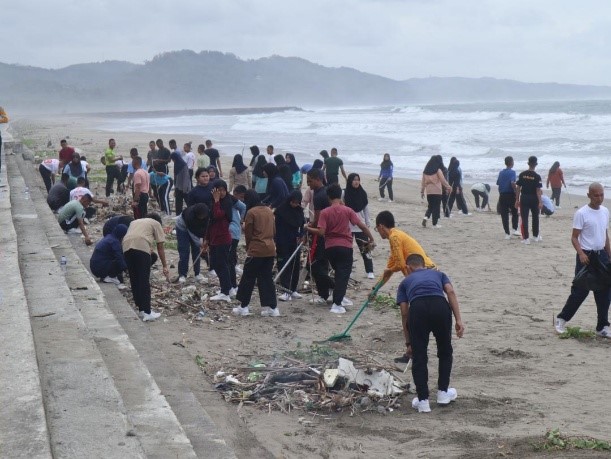
Plastic waste is also a problem on the coasts and beaches of several tourist destinations, such as Bali. One solution to address this is to improve and manage waste upstream.
The real problem lies upstream. Therefore, it’s upstream that needs to be addressed. If proper management isn’t implemented, waste disposed of at landfills, especially plastic waste, will seep into the ocean.
The key to solving marine waste and microplastics lies in the upstream issues. Therefore, the upstream waste disposal system must be improved. Waste must be sorted before being disposed of at temporary disposal sites (TPS) and final disposal sites (TPA).
As much as 70% of waste, especially plastic waste, in the ocean originates from land. For a healthy ocean, the upstream must first be addressed. Remember, the impact of plastic waste leaking into the ocean is crucial. Besides taking a long time to decompose, floating plastic waste is often eaten by turtles, mistaken for jellyfish.