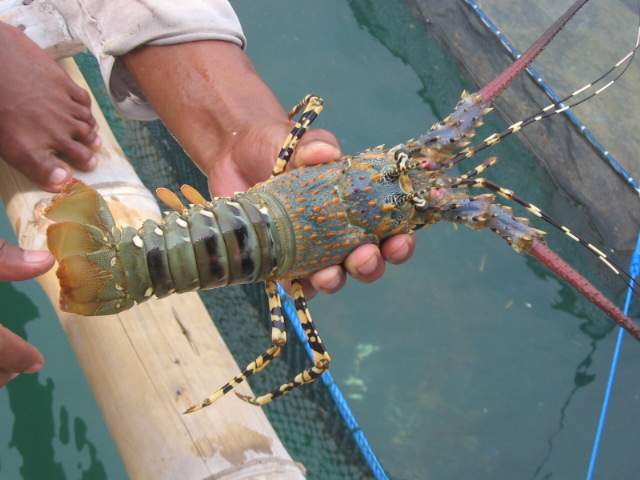
“Lobster is very prospective to be cultured because the price is stable and promising,” said Ibrahim, a sea lobster farmer in Rompo Village, Bima Regency-West Nusa Tenggara. Although the potential is great, various challenges still lie ahead, especially in terms of the farming ecosystem which is not yet optimal.
Currently, continued Ibrahim, lobster farming clusters are not evenly distributed throughout Indonesia. Lombok Island-NTB already has a clustering system starting from catching seeds, rearing, to marketing, while Sumbawa-NTB is still lagging behind.
“Special farming clusters are very important. In Sumbawa, the number can still be counted on the fingers,” added Ibrahim who has been involved in the world of sea lobster for the past four years.
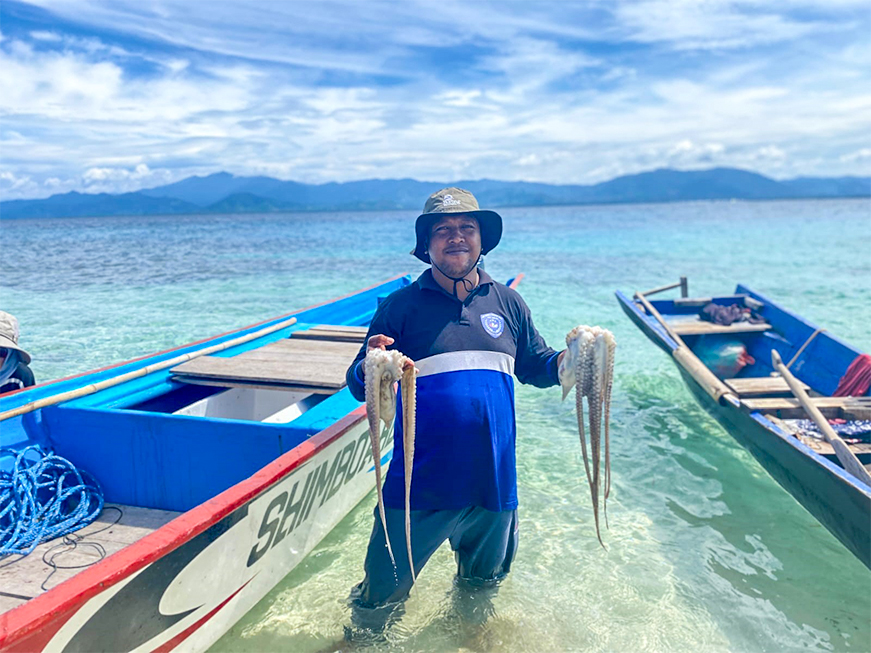
A similar thing happens in Aceh, where fishermen still work individually without the support of technology and a structured farming system. “We catch more and sell directly to collectors, not many are really farming,” said Riswandi, a fisherman in Aceh (26/2).
Lobster catching methods in various regions in Indonesia vary. In Simeulue Regency-Aceh, the majority of fishermen catch lobsters manually without any tools.
“We catch lobsters with our bare hands at night. Because at that time they are easier to find,” said Riswandi. Some fishermen use traps, but the number is still limited.