In a transparent plastic bowl, a group of tiny shrimp writhes energetically. They’re not just alive; they’re dancing. They’re dancing amidst lime, cayenne pepper, and a sprinkling of finely chopped shallots. Their movements are so agile, as if they know their time is up.
That’s dancing shrimp, an extreme dish that’s currently gaining popularity. While initially known only in the narrow streets of Bangkok and the villages of Northern Laos, this dish has now made its way to international culinary festivals and become a hot topic online. From TikTok, Instagram, YouTube, and even the “Bogor Rasa Bangkok” festival stage in Indonesia, dancing shrimp has gained global attention.
The origins of dancing shrimp, or goong ten in Thai, lie in the northern part of the country, specifically in the Chiang Mai, Chiang Rai, and provinces bordering Laos. In Laos itself, a similar dish is known as kong ten.
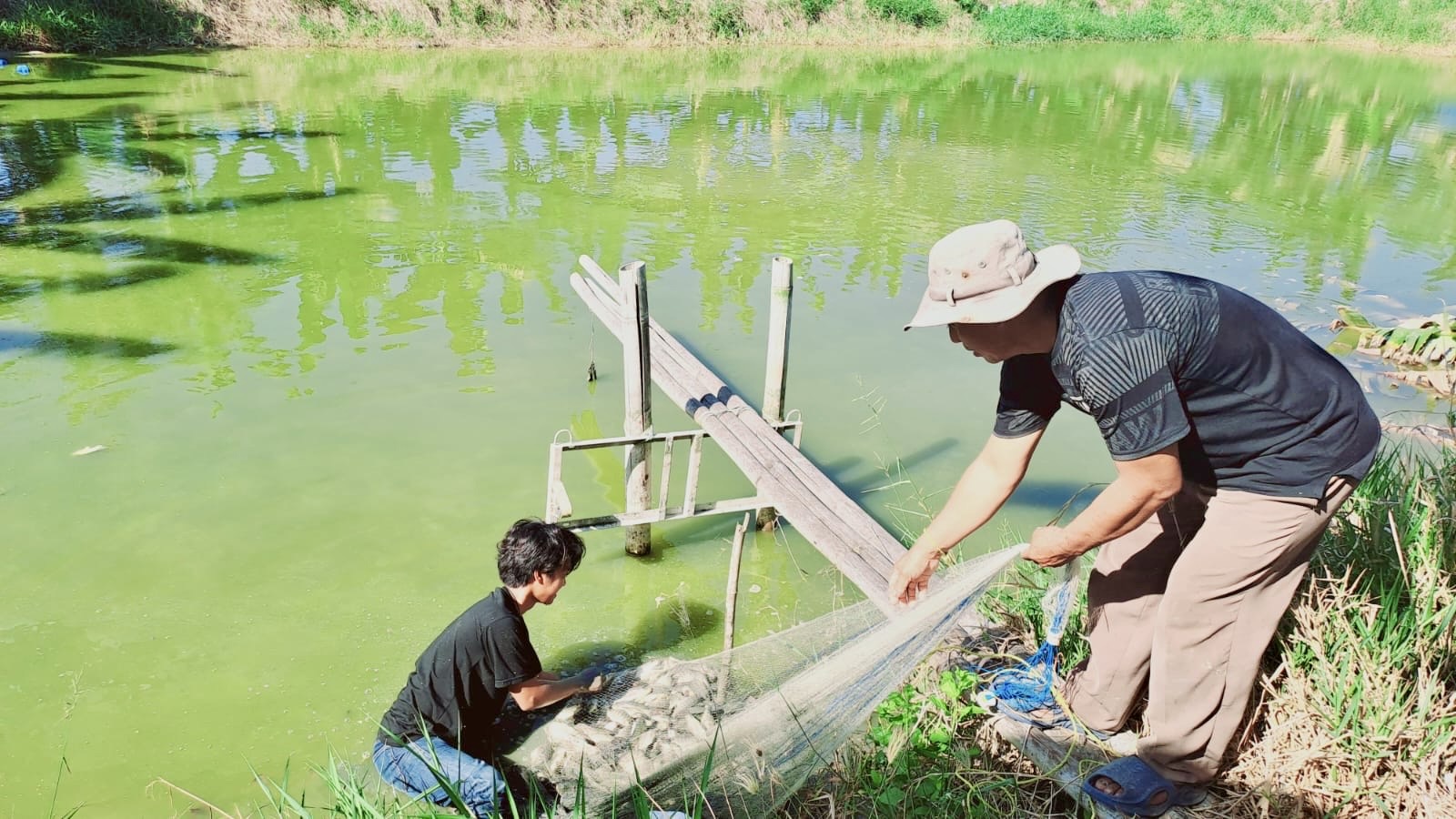
This dish likely arose from the rural practice of making use of what they found in local rivers. Small freshwater shrimp, typically caught by hand or with fine nets, provided a cheap, quick, and, incidentally, comforting source of protein.
In rural areas, farmers or fishermen didn’t always have the time or ingredients for elaborate cooking. So a simple idea emerged: combine live shrimp with fresh herbs, a little lemon juice, salt, and voila. A river salad was born.