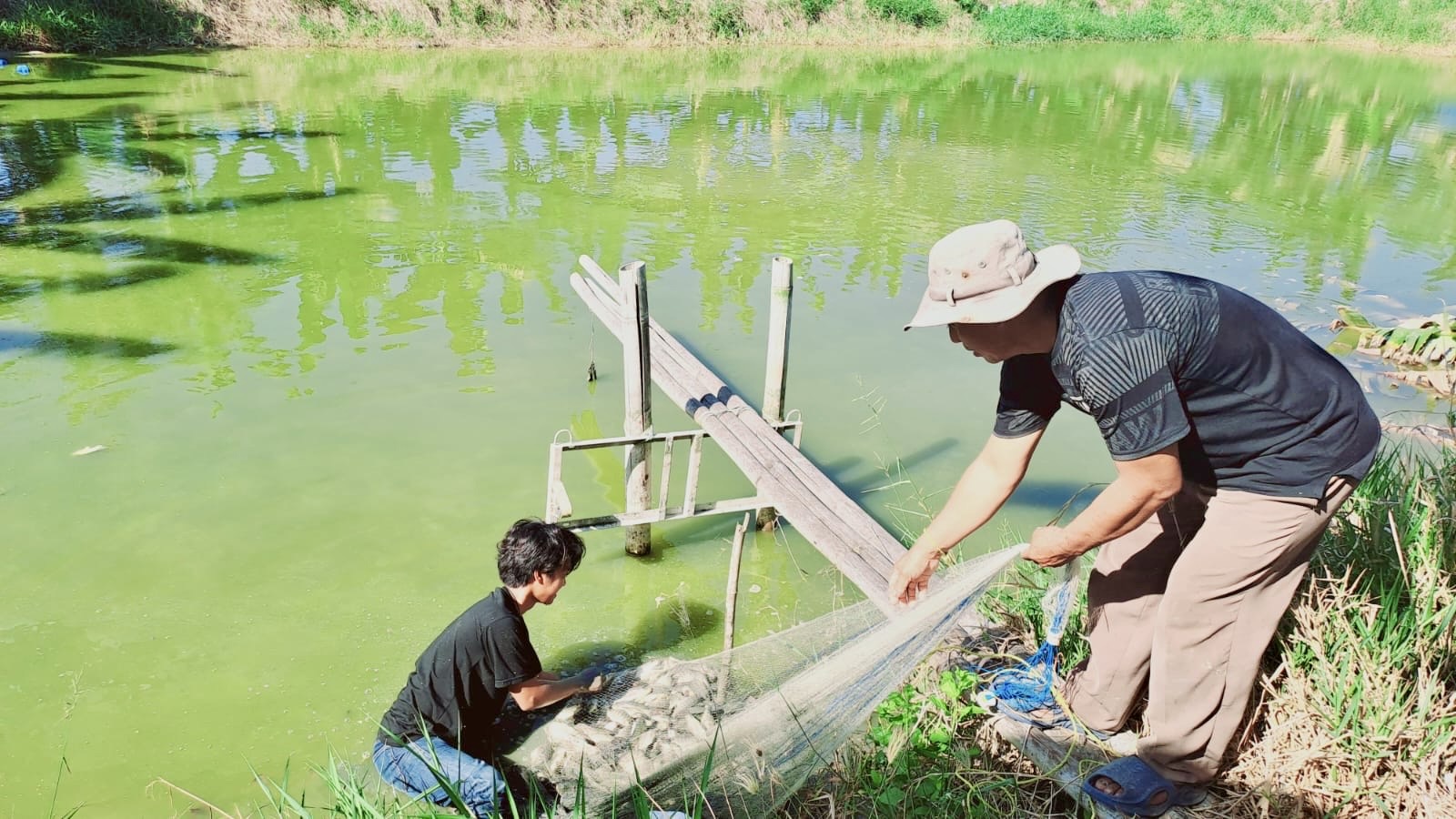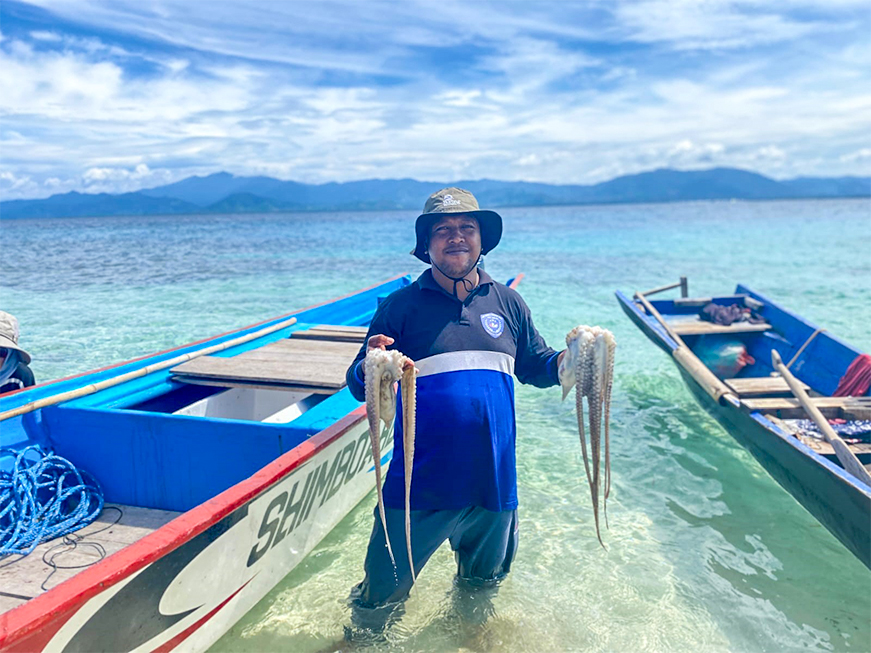
Aquatic food is food products derived from aquatic resources, such as fish, shellfish, shrimp, and others. Aquatic food can be fresh, frozen, canned, or processed. “High omega-3 content for heart and brain health. High protein content but low fat content. Likewise, vitamins and minerals such as vitamin D, calcium, and phosphorus,” said the Head of the Yogyakarta Special Region Maritime Affairs and Fisheries Agency, R. Hery Dulistio Hermawan. In addition to the diversity of processed fish products, it offers a variety of alternatives, ranging from fresh fish (whole and parted) to further processed products such as nuggets, sate lilit, fish crackers, fish floss, and more.
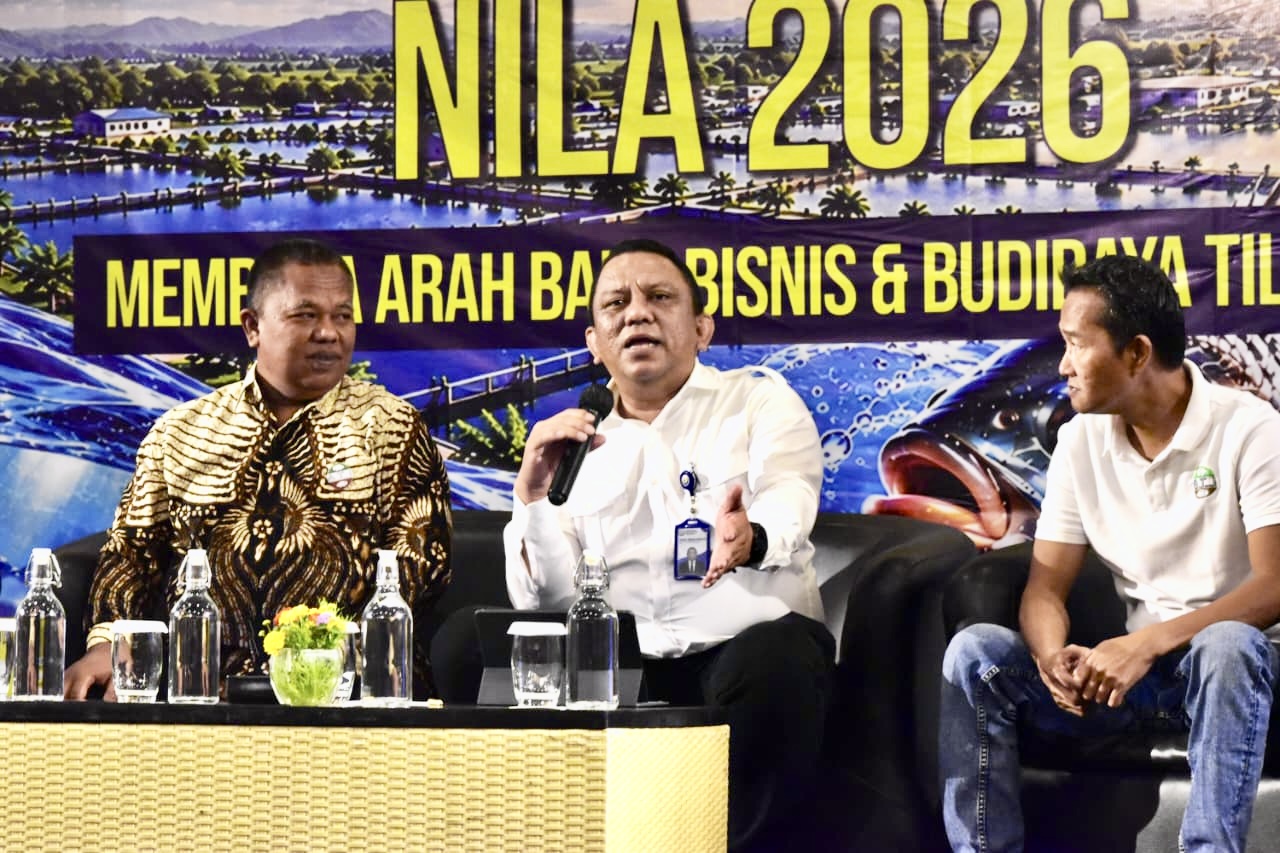
He acknowledged that a survey he conducted with an independent institution revealed that there are still obstacles to adopting fish menus. Fish, especially whole fish, is still considered difficult for the kitchen and for children, primarily due to the bones and fishy odor. However, this can be overcome by using further processed fish menus that are easier to handle, consume, and are preferred by beneficiary children. “Another solution is that we have provided a recipe book for a variety of tested fish dishes that SPPGs can use. We also connect them with fish farmers, fish suppliers, and fish processors through meetings and other channels,” Hery explained at the seminar “Zero Waste and Aquatic Food in the Free Nutritious Meal Program” at the Yogyakarta Special Region Maritime Affairs and Fisheries Office some time ago.
Hery acknowledged that the fisheries consumption sector in Yogyakarta still faces a low fish consumption rate of 36 kg/capacity, far below the national average of 58.91 kg/capacity. Furthermore, the national fisheries sector still faces high FLW (food loss and waste) rates, at 23.40%, and 29.9% for fish commodities.
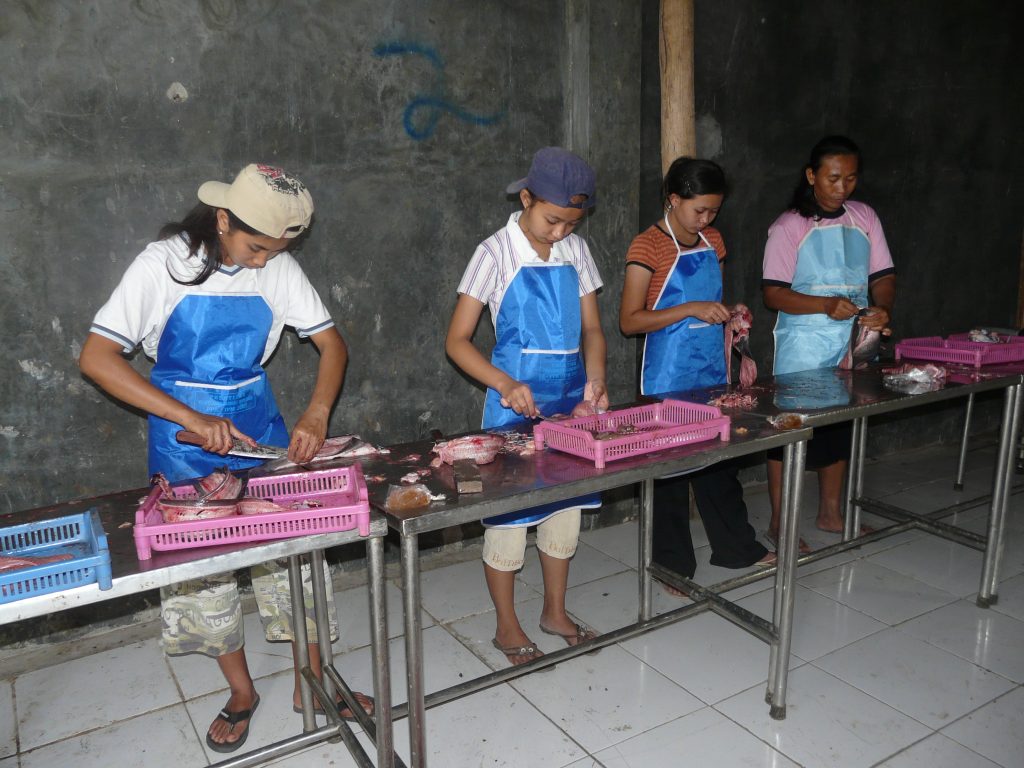
He explained that implementing the zero-waste concept in the fisheries processing industry aims to reduce production costs, increase efficiency, maintain product quality, and mitigate environmental impact. “The way to do this is by reducing waste and optimizing the use of raw materials. An example of implementing the zero-waste concept in the fisheries food industry is making processed fish products from fish production waste,” he said. Fish waste, such as heads, gills, guts, skin, and scales, which are not suitable for consumption, are processed into fish feed, animal feed, or organic fertilizer.
Types of waste that can still be used for food include leftover fish fillets, small fish heads, or fish pieces that don’t make it into the main product. Fish bones are also used as a source of calcium for other food products. These can be made into shredded fish, mixed into biscuits and cakes, or as a supplement for calcium fortification. This way, fish waste can become a healthy food ingredient for toddlers and the elderly.